

“It is important to capitalise on KI’s strong translational potential”
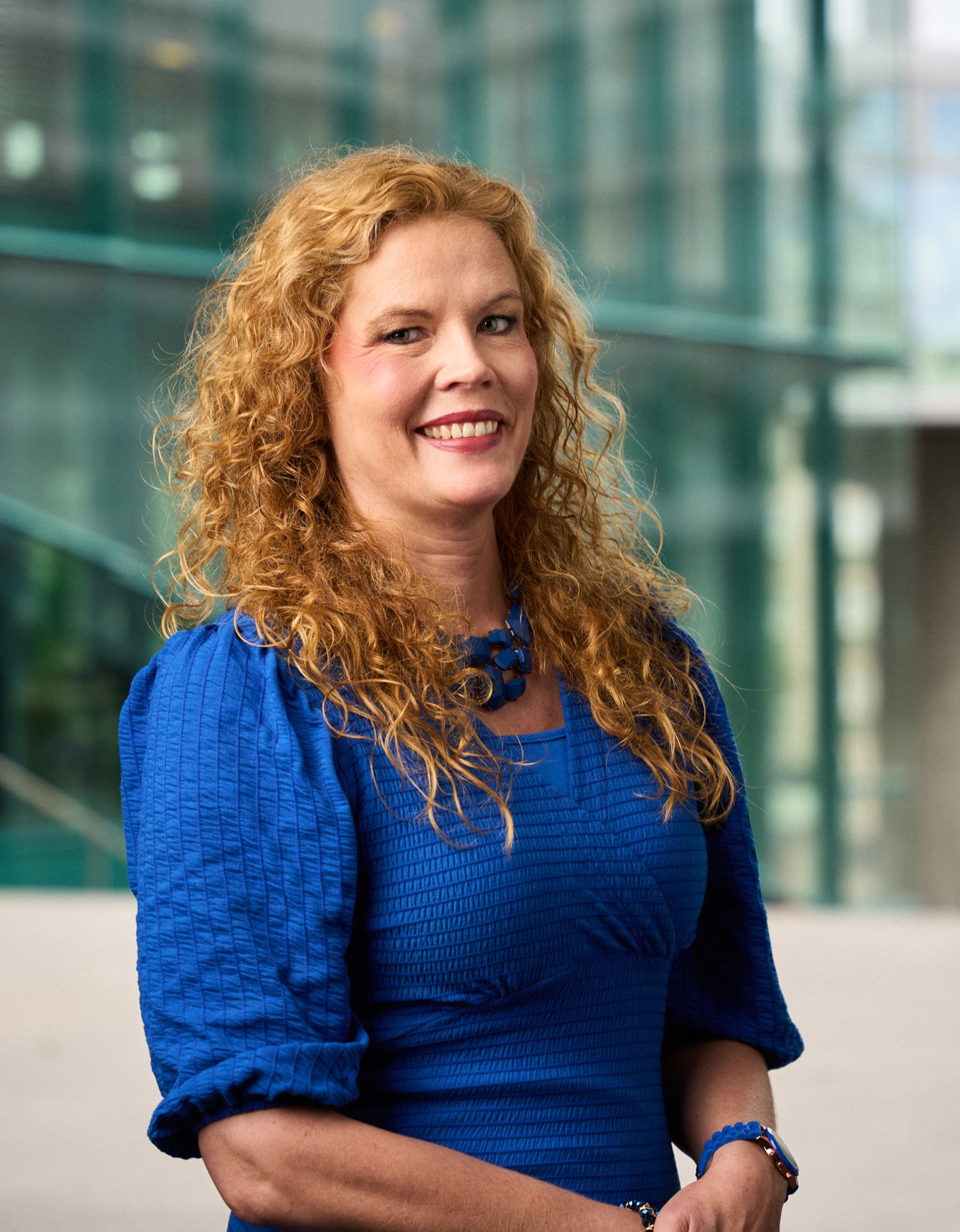
The Deputy Dean for Research is Kristina Johnell, professor at the Department of Medical Epidemiology and Biostatistics.
What are you most looking forward to in your new role?
“After many years as head of epartment, I look forward to contributing to KI’s research and development as a whole in a more strategic and comprehensive capacity.”
“Above all, I want to build on the breadth of KI’s research, which, of course, ranges from fundamental mechanisms to clinical application and public health science. There is strong translational potential that we need to capitalise on.”
What challenges would you particularly like to highlight within the scope of your role?
“It is inspiring to be working at a time when collegial governance is set to be strengthened. Together, we can take on greater responsibility. The challenge will be to realise, together, the potential of a stronger collegial structure, not least in our work with the new Faculty Board.”
How do you intend to contribute to strengthening and developing cooperation between the university management and staff?
“The strengthened collegial governance creates new opportunities to harness all the expertise available at KI. Hopefully, this will lead to greater cohesion and greater commitment.”
“My main contribution will be to be visible and to actively listen to and motivate those I meet during visits to everything from departments to research centres, infrastructure facilities and networks such as the Junior Faculty. It is also important that we develop more effective forums that can increase participation, such as The Faculty Forum that is already in the planning phase.”
How do you view the relationship between education and research? Does it need to be developed, and if so, how?
“Education and research reinforce each other and should be well integrated, with a two-way exchange. KI’s strong translational environment also offers great opportunities to integrate research into our educational programmes. At the same time, there is potential for development by creating more opportunities for students to become part of active research environments. This strengthens education and can contribute to the recruitment of future researchers.”
“We need to develop attractive career paths, particularly for early-career researchers. They need to be given the conditions to establish their independence in an environment where they are given the opportunity to actively contribute to KI’s development.”
Where do you see KI in five years’ time?
“In five years’ time, KI will be an even stronger medical university, combining line management with clear collegial governance. By then, the breadth of KI’s research will be an even greater strategic asset, enabling us to capitalise on its translational potential. It will also be easier to progress throughout a research career, with favourable conditions for both junior and senior researchers.”
What qualities and experiences do you have that will enable you to achieve your goals as deputy dean?
“I am a good at listening and motivating, and I have had an extensive career in leadership. I have also always been driven by the desire to empower other people and teams. I take great pride and joy in working at KI alongside so many talented, intelligent and competent colleagues.”
What is the role of a dean at KI?
Deans and deputy deans are KI’s academic leaders, responsible for quality and long-term development in KI’s core activities: higher education, doctoral education and research. They lead the work of the Faculty Board’s committees, coordinate development within their areas and ensure that decisions are taken with strong collegial input.
Appointed deans and deputy deans 1 July 2026–31 December 2029
Higher education
- Dean: Ewa Ehrenborg
- Deputy Dean: Maria Hagströmer
Doctoral education
- Dean: Erika Franzén
- Deputy Dean: Tobias Alfvén
Research
- Dean: Petter Höglund
- Deputy Dean: Kristina Johnell
From 1 July 2026, the roles will be known as dean and deputy dean (previously academic vice president and vice-chair of the committee).